
Top gainers in the Sensex pack included Hero MotoCorp, Maruti, M&M, Bajaj Auto, HUL, HCL Tech, Bajaj Finance, ITC, HDFC and L&T, rising up to 7.51 per cent.

The 50-stock NSE barometer Nifty finished 22.50 points, or 0.21 per cent, down at 10,526.20

Coal India fell the most by 2.58 per cent among Sensex scrips, dragging the index into the negative zone.

Among major Sensex gainers, ITC rose the most by 2.32 per cent, followed by TCS, M&M, SBI and Bharti Airtel.
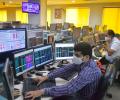
The Fed interest rate decision, domestic macroeconomic data announcements and quarterly earnings will be the major sentiment drivers for the equity market in a holiday-shortened week ahead, analysts said. Investors will also take cues from the monthly auto sales numbers to be announced on Monday. Equity markets will remain closed on Thursday for Diwali Laxmi Pujan and on Friday for Diwali Balipratipada.

Market breadth was weak with 1239 losers and 1078 gainers on the BSE.

The 30-share Sensex ended down 32 points at 28,851 and the 50-share Nifty closed 12 points lower at 8,712.

After swinging 439 points during the day, the 30-share Sensex ended 141.33 points, or 0.38 per cent, lower at 37,531.98. It hit an intra-day low of 37,480.53 and a high of 37,919.47.

Top losers in the Sensex pack included Tata Steel, Vedanta, Maruti, SBI, Coal India, Tata Motors, Sun Pharma, HUL, RIL, IndusInd Bank, Axis Bank, HDFC duo, ICICI Bank, M&M, Kotak Bank, and Infosys, falling up to 2.89 per cent.

Sectorally, metal, auto and IT stocks were leading gainers amid sustained foreign fund inflow.

Asian Paints was the top gainer after the paints major posted robust first quarter earnings.

Sensex climbs higher at close, bluechip stocks in focus.

The Sensex ended up 48 points at 28,386 and the Nifty gained 13 points to close at 8,476.

The market rally was driven by strong buying in telecom, banking, realty, metal, FMCG and PSU counters.

Non-resident individuals (NRIs) have also been allowed to apply for the niche banking licence, provided they plan to return to India.

In Bangladesh, a call drop has more to do with network quality, while in India it is linked to spectrum shortage.
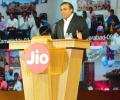
The launch of services by Jio in September 2016 had disrupted the whole telecom sector, with operators matching low rates to maintain competitive edge
.jpg)
At the close of trade, telecom stocks ended with as much as 4.3 per cent loss.

Tata Steel was the biggest gainer in the Sensex chart, rising 2.39 per cent, followed by Tata Motors, Power Grid, Reliance Industries, UltraTech Cement, NTPC, Nestle, HUL, Mahindra & Mahindra, Wipro, Kotak Mahindra Bank and Asian Paints. In contrast, Bajaj Finance, IndusInd Bank, Axis Bank, Bharti Airtel, Bajaj Finserv, ICICI Bank, Infosys and Titan were among the laggards.

Reliance Industries was the top Sensex gainer up 5.6% after the company reported better-than-expected net profit growth at 12% in the second-quarter aided hby higher gross refining margins.
Sensex ended above 26,000 led by telecom shares amid TRAI's spectrum sharing norms.

The 30-share Sensex ended higher by 31 points at 26,591 and the 50-share Nifty gained 10 points at 8,061.
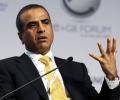
Mittal's total remuneration dipped marginally by 2.52 per cent.

The broader NSE Nifty fell 78.75 points, or 0.70 per cent, to close at 11,234.55.

Shares of the HDFC duo led the fall in the indices, shedding up to 2.94 per cent. IndusInd Bank, Axis Bank, Maruti, Bajaj Finserv, PowerGrid and SBI were among the other major laggards.

After a turnaround in performance by Indian equity markets since July that has seen the S&P BSE Sensex and the Nifty50 wipe out the year-to-date losses, analysts suggest investors start nibbling into stocks that are focused on the domestic economy. While they say intermittent corrections, led by policies of global central banks and other economic data, cannot be ruled out, analysts expect India's relative outperformance among global equity markets to continue as it looks better placed with a healthy economic recovery, and remains one of the fastest growing major economies. In this backdrop, Neeraj Chadawar, head of quantitative equity strategy at Axis Securities, believes that amid global slowdown, aggressive tightening by the central banks, and preference for domestic interests first (by the local government), export-oriented themes are likely to be muted or will deliver conservative returns in the near-term.
.jpg)
Benchmark share indices ended lower on profit taking after they touched record highs in the previous session.

Given the escalating cost of doing business, the revenue opportunity is decreasing and consolidation is an inevitable part of the industry.
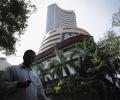
Broader gains were capped as investors awaited corporate results from major firms

Banking and telecom will see the highest impact of this transition.

The government has given an option to telcos to pay back interest on dues through equity and also conveyed that it has no interest in acquiring any telecom company, a top official of debt-ridden Vodafone Idea has said. Vodafone Idea Ltd (VIL) managing director and CEO Ravinder Takkar in an interview to PTI said it is clear that the government wants the company to compete in the market and there should be at least three private service providers in the telecom sector. "I have had many many interactions across various parts of the government leading up to this announcement (telecom reforms).

The profit boost for studios will in large part be driven by the rush for local-language content from platforms like Netflix Inc
Among the Sensex firms, Bajaj Finance emerged as the biggest gainer by climbing 2.95 per cent. Tata Motors, Bajaj Finserv, IndusInd Bank, Sun Pharma, Mahindra & Mahindra, State Bank of India, Larsen & Toubro, HDFC, HDFC Bank, Maruti, Reliance Industries and Bharti Airtel were the other major winners. HCL Technologies, Axis Bank, ICICI Bank, Tech Mahindra and Titan were among the laggards.
Bajaj Finance was the biggest gainer in the Sensex pack, spurting 3.64 per cent. Tata Motors, Infosys, Vedanta, ONGC, PowerGrid, NPTC, Axis Bank, ICICI Bank, Kotak Bank, SBI, HDFC Bank, Tata Steel, TCS and RIL too rose up to 3.48 per cent.

The rupee breached the 80-mark against the dollar on Tuesday. The steady depreciation in the value of the rupee against the US dollar is likely to prove expensive for corporate India. The listed companies' revenue expenses in foreign currency or imports exceed their export revenues or revenue earnings in forex. In their latest financial year, BSE500 companies, excluding banks and non-banking finance companies and insurance (BFSI), reported combined forex expenses of Rs 12.31 trillion against forex earnings of around Rs 10 trillion.

The depreciation in the yuan has led to a decline in all emerging market currencies
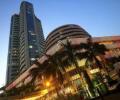
Among the Sensex constituents, ICICI Bank was the biggest gainer with 11 per cent jump, followed by State Bank of India, which rose 8.04 per cent.

Telecom infrastructure player Indus Towers has been largely ignored by investors with occasional bursts of trading when there's news flow. For example, the stock fell from Rs 188 (Jan 1, 2023) to Rs 135 (Jan 27) and then bounced back to Rs 165 in early February as the Government of India (GoI) converted Vodafone Idea's (Vi) debt into equity and Bharti Airtel pushed up its direct stake in Indus to 47.95 per cent. The cash-strapped Vi holds 21 per cent stake in Indus Towers and Indus also has substantial receivables to come in from Vi which is a negative overhang.
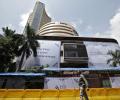
ONGC was the top performer while private banking major ICICI Bank extended gains

The big advantage that Jio is able to garner currently is its low cost of operations.
